
Sukuti: A Comprehensive Study of Nepal’s Traditional Dried Meat Preservation Method
Food preservation techniques have historically been essential in mountainous regions where seasonal availability of meat and limited refrigeration required innovative solutions. In Nepal, one such enduring technique is the preparation of sukuti, a dried meat delicacy that remains a central element of Nepali cuisine.
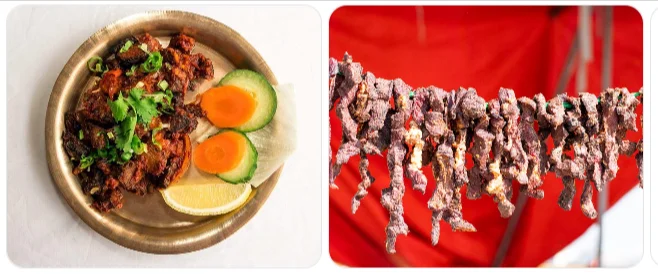
The term sukuti derives from the Nepali word “sukaunu,” meaning “to dry.” The process involves cutting meat into thin strips and drying it either under the sun, over wood smoke, or in controlled indoor environments.
Sukuti is commonly eaten:
As a snack
As an appetizer
As a component of spicy achar
With alcoholic beverages during social gatherings
During trekking journeys due to its long shelf life
The dish has become particularly popular in both Nepal and Nepali diaspora communities worldwide.
2. Cultural Significance of Sukuti
Sukuti holds strong cultural importance among numerous ethnic communities in Nepal, including:
Tamang
Sherpa
Gurung
Magar
Rai
Limbu
In traditional Himalayan villages, sukuti was often prepared after livestock slaughter during festivals such as:
Dashain
Tihar
Losar
Maghe Sankranti
Drying meat allowed households to store protein-rich food throughout winter months and during long agricultural cycles.
Today, sukuti is widely served in Nepali restaurants and roadside eateries known as “bhattis.”
3. Types of Sukuti
Several variations of sukuti exist depending on the meat used and preparation method.
Buff Sukuti (Buffalo Dried Meat)
Buff sukuti is the most common type found in Nepal.
Characteristics:
Lean texture
Strong smoky flavor
Dark reddish-brown color
Buff sukuti is frequently used to prepare sukuti achar, a spicy snack dish.
Goat Sukuti
Goat meat produces a slightly softer dried meat with a rich flavor.
Characteristics:
Higher fat content than buff
Tender when rehydrated
Popular during festivals
Pork Sukuti
Pork sukuti is particularly common among eastern Nepali ethnic communities.
Characteristics:
Rich flavor
Slightly fatty texture
Often smoked for preservation
Yak Sukuti
Yak meat sukuti is traditionally prepared in high Himalayan regions such as Mustang and Dolpa.
Characteristics:
Very lean meat
Deep smoky flavor
High protein content
Chicken Sukuti
Chicken sukuti is a modern adaptation.
Characteristics:
Short drying time
Mild flavor
Easier to prepare at home
4. Traditional Preparation Methods
Step 1: Meat Selection
Common meats used include:
Buffalo
Goat
Pork
Yak
Chicken
The meat should be lean and free of excess fat, as fat can spoil during drying.
Step 2: Cutting the Meat
The meat is cut into long thin strips approximately:
15–20 cm long
1–2 cm thick
This size allows proper airflow during drying.
Step 3: Seasoning
Traditional seasoning often includes:
Salt
Turmeric
Garlic
Ginger
Chili powder
Timur (Sichuan pepper)
In many rural areas, meat is dried without seasoning and spices are added later when cooking.
Step 4: Drying Process
The drying method may involve:
Sun Drying
The meat strips are hung outdoors for 3–5 days under sunlight.
Smoke Drying
The meat is hung above a wood fire where smoke slowly dries the meat over 4–7 days.
Controlled Drying
Modern methods use dehydrators or ovens.
5. Sukuti Achar Recipe
One of the most popular ways to consume sukuti is through sukuti achar.
Ingredients
250 g sukuti
2 tablespoons mustard oil
1 tablespoon ginger
1 tablespoon garlic
2 green chilies
1 teaspoon chili powder
1 teaspoon cumin powder
Timur powder
Lemon juice
Chopped onions
Fresh cilantro
Cooking Method
Lightly roast or fry the sukuti until aromatic.
Cut the meat into small bite-sized pieces.
Heat mustard oil in a pan.
Add garlic, ginger, and chili.
Mix the sukuti with spices and lemon juice.
Add chopped onions and cilantro before serving.
Preparation time: 15–20 minutes
6. Best Techniques for Making High-Quality Sukuti
Several factors influence sukuti quality.
Proper Air Circulation
Airflow prevents mold formation.
Lean Meat Selection
Fat spoils faster than muscle tissue.
Controlled Drying Temperature
Excessive heat can cause meat to spoil or lose flavor.
Smoke Flavor Enhancement
Wood smoke adds antimicrobial compounds and unique flavor.
7. Nutritional Value
Sukuti provides significant nutritional benefits:
High protein content
Iron and zinc
Low carbohydrate
Long shelf life without refrigeration
However, due to salt concentration, it should be consumed moderately.
8. Commercial Sukuti Products
Sukuti has become commercially available in packaged forms.
Popular Nepali brands include:
Rato Bhale
Himalayan Delight
Dalle Foods
Himalayan Yak
Sherpa Foods
These brands sell packaged sukuti domestically and internationally.
9. Where to Buy Sukuti
In Nepal
Sukuti can be found in:
Local butcher shops
Traditional markets
Mountain villages
Restaurants and roadside eateries
In the Nepali Diaspora
Due to growing Nepali populations worldwide, sukuti can often be found in Nepali grocery stores.
Cities with large Nepali communities include:
United States
Boston
New York
Dallas
Columbus
Denver
Australia
Sydney
Melbourne
Brisbane
In these cities, sukuti is commonly sold in:
Nepali grocery stores
Himalayan specialty markets
South Asian supermarkets
Nepali restaurants
10. Sukuti in Global Nepali Cuisine
Sukuti has gained recognition internationally as Nepali cuisine becomes more popular. It is frequently served in Nepali restaurants as:
Sukuti achar
Sukuti sandheko (spiced dried meat salad)
Sukuti with chiura
Sukuti stir fry
Among trekking communities and mountain travelers, sukuti remains valued for its portability and high energy content.
Conclusion
Sukuti stands as one of the most distinctive elements of Nepali culinary heritage. Developed as a practical meat preservation technique in mountainous regions, it has evolved into a beloved delicacy enjoyed across Nepal and the global Nepali diaspora.
Its adaptability, strong flavors, and cultural significance continue to sustain its popularity in both traditional and modern culinary contexts. As global interest in Himalayan cuisine increases, sukuti represents an important gastronomic symbol of Nepal’s food culture.
