
Sekuwa: Nepal’s Traditional Wood-Fire Grilled Meat — Culture, Technique, and Culinary Evolution
Sekuwa is one of the most iconic grilled meat preparations in Nepal. It is a traditional Himalayan grilling technique where marinated meat is roasted slowly over a wood or charcoal fire, producing a smoky aroma that defines the dish. While the method appears simple, sekuwa embodies centuries of culinary tradition shaped by geography, pastoral lifestyles, and communal cooking practices.
Historically, sekuwa was prepared in rural villages and Himalayan settlements where livestock such as goats, pigs, and buffalo were common. Shepherds and farmers would grill freshly butchered meat over open fires, seasoning it with locally available spices such as garlic, ginger, cumin, timur (Sichuan pepper), and mustard oil. Over time, this rustic cooking method evolved into a celebrated street food and restaurant specialty across Nepal and Nepali diaspora communities worldwide.
Today, sekuwa is widely consumed during social gatherings, festivals, and casual evening meals. It is especially popular in roadside eateries known as “Sekuwa Houses” in Nepal, where the aroma of grilled meat draws customers from afar.
Cultural and Culinary Significance
Sekuwa represents more than just grilled meat; it reflects communal dining traditions among Nepali communities. It is often served with:
beaten rice (chiura)
fresh onion and cucumber salad
tomato-based achar (pickle)
spicy chili paste
lemon wedges
In Nepali social settings, sekuwa frequently accompanies gatherings among friends, celebrations, and festive occasions. The dish bridges rural and urban culinary cultures, remaining equally popular in mountain villages and modern city restaurants.
Types of Sekuwa (Based on Meat)
Different meats produce distinct flavors and textures when grilled over charcoal. Among the many variations, pork and goat remain the most widely preferred.
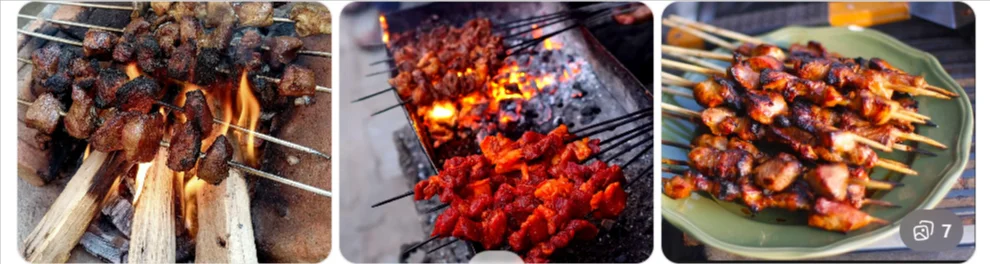
1. Khasiko Sekuwa (Goat Sekuwa)
Khasiko sekuwa is the most culturally respected version of the dish. Goat meat holds an important place in Nepali cuisine and is frequently consumed during festivals such as Dashain and Tihar.
Characteristics
lean but flavorful meat
firm texture that grills well
deep smoky flavor when cooked over charcoal
Goat meat absorbs spices effectively and develops a complex taste profile when slow-grilled.
2. Pork Sekuwa
Pork sekuwa is especially popular among ethnic groups such as the Newar, Rai, Limbu, Tamang, and Gurung communities.
Characteristics
richer flavor due to fat content
juicier texture
strong smoky aroma
The fat from pork melts during grilling and naturally bastes the meat, making it exceptionally tender.
Other Regional Variations
Although pork and goat dominate, other meats are also used:
Buff Sekuwa – buffalo meat, common in Kathmandu Valley
Chicken Sekuwa – lighter and quicker to cook
Lamb Sekuwa – less common but similar to goat
Fish Sekuwa – occasionally prepared in river communities
Each variation adapts the marinade slightly to match the texture of the meat.
Traditional Cooking Method
The defining characteristic of authentic sekuwa is direct grilling over a wood or charcoal fire. Unlike modern gas grills, traditional sekuwa relies on natural smoke from hardwood or coal.
Equipment
charcoal grill or clay stove
metal skewers or bamboo sticks
open fire or coal bed
wire rack or skewer stand
The meat is placed close to the heat source but rotated frequently to prevent burning.
Traditional Sekuwa Marinade
The marinade is critical in creating flavor. A balance of spices, oil, and acidity tenderizes the meat.
Ingredients
1 kg meat (goat or pork), cubed
2 tablespoons ginger paste
2 tablespoons garlic paste
1 tablespoon cumin powder
1 tablespoon coriander powder
1 teaspoon turmeric
1 teaspoon chili powder
1 teaspoon crushed timur (Sichuan pepper)
2 tablespoons mustard oil
salt to taste
juice of one lemon
2 tablespoons yogurt (optional for tenderness)
Marination Process
Combine all spices, oil, yogurt, and lemon juice in a bowl.
Add meat cubes and coat thoroughly.
Cover and refrigerate for 3–6 hours, preferably overnight.
Longer marination enhances flavor penetration.
Sekuwa Cooking Technique
Step-by-Step Preparation
Prepare the Fire
Heat charcoal or wood until it forms a consistent glowing coal bed.Skewer the Meat
Thread marinated meat onto metal skewers.Grill Slowly
Place skewers over the coal fire.Rotate Frequently
Turn every few minutes for even cooking.Baste with Oil or Butter
Light basting prevents drying and enhances flavor.Cook Until Slightly Charred
The exterior should develop smoky grill marks while the interior remains juicy.
Cooking typically takes 12–20 minutes, depending on meat type and heat intensity.
Serving Style
Authentic Nepali sekuwa is usually served with:
chiura (flattened rice)
fresh onion slices
cucumber
lemon wedges
spicy tomato achar
This combination balances the smoky richness of grilled meat with refreshing acidity and crunch.
Where to Find Sekuwa Around the World
As Nepali communities have migrated globally, sekuwa has traveled with them. Today it can be found in Nepali restaurants in many international cities.
Boston, USA
The Boston metropolitan area has a growing Nepali population, particularly in neighborhoods such as Somerville, Malden, and Everett. Several Nepali restaurants serve sekuwa as a specialty grilled dish.
Common locations include:
Nepali restaurants in Somerville and Malden
Himalayan and Nepali eateries in Everett and Cambridge
These establishments often serve pork or goat sekuwa alongside momo and traditional Nepali curries.
Sydney, Australia
Sydney hosts one of the largest Nepali communities in Australia.
Areas known for Nepali restaurants include:
Harris Park
Rockdale
Parramatta
Restaurants in these neighborhoods frequently feature sekuwa on their menus, often prepared with authentic charcoal grilling methods.
Dallas, USA
Dallas has seen a steady growth in Nepali and Himalayan restaurants in recent years.
Popular areas include:
Irving
Plano
Richardson
These locations often offer sekuwa as a grilled appetizer paired with Nepali pickles and beaten rice.
Culinary Techniques for Authentic Flavor
Professional cooks emphasize several techniques when preparing sekuwa:
1. Use Real Charcoal or Wood
Gas grills cannot replicate the smoky aroma produced by burning hardwood.
2. Balance Fat Content
Lean meats should include a small amount of fat to prevent dryness.
3. Marinate Long Enough
At least 3 hours, preferably overnight.
4. Avoid Overcrowding Skewers
Spacing allows heat to circulate evenly.
5. Control Heat Carefully
Too much heat burns the exterior before the interior cooks.
Nutritional Aspects
Sekuwa provides significant nutritional benefits:
high protein content
rich in iron and vitamin B12
lower carbohydrates compared to many fried dishes
When grilled rather than fried, sekuwa remains relatively healthier while maintaining deep flavor.
Conclusion
Sekuwa stands as one of Nepal’s most beloved grilled dishes, embodying centuries of culinary heritage rooted in open-fire cooking traditions. Whether prepared from pork, goat, buffalo, or chicken, the defining elements of sekuwa remain the same: smoky charcoal grilling, aromatic spice marinades, and communal dining.
As Nepali communities expand globally, sekuwa continues to gain international recognition. From the bustling streets of Kathmandu to Nepali restaurants in Boston, Sydney, and Dallas, this traditional grilled meat dish connects diaspora communities to their culinary roots while introducing global diners to one of Nepal’s most flavorful foods.
